 By Aimee Harvey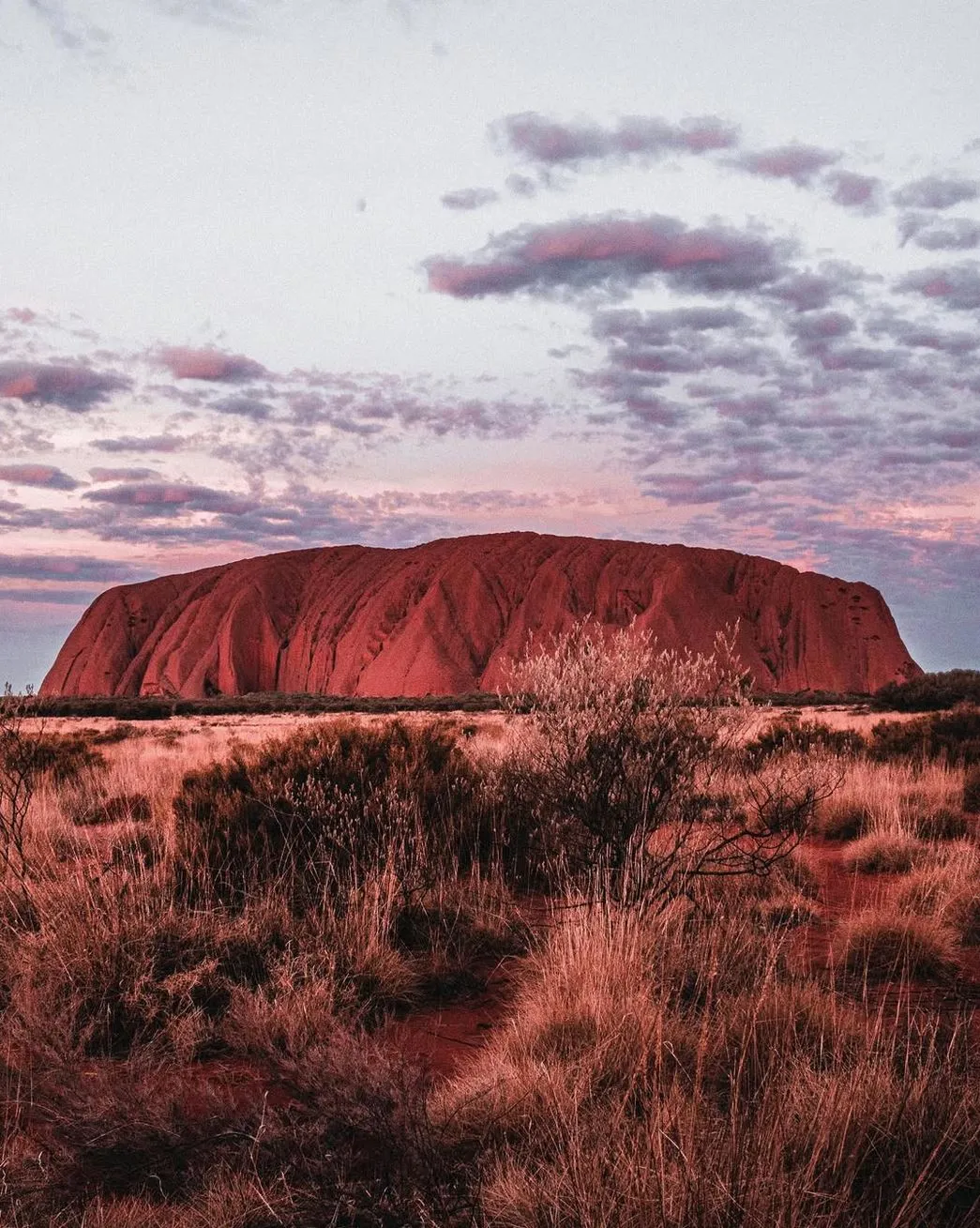
Ayers Rock, also known as Uluru, is one of the world’s most beautiful landmarks and a top destination in Australia’s national parks. Its natural beauty is matched only by its cultural importance. If you love travel and want real experiences, Uluru’s sacred sites, spiritual significance and ancient rock art will give you a deeper understanding of the Aboriginal people, their creation story and the Australian outback. But there are times and reasons when travelling to Uluru is not ideal, whether for safety reasons, environmental reasons or cultural reasons. Plan your travel dates wisely and you’ll get the most out of your visit and respect this special place.
When to Avoid Visiting
Here’s a quick guide to help you plan:
| Period | Reason to Avoid | What to Expect / Alternatives |
|---|---|---|
| December – February (Summer) | Extreme heat, safety reasons | Limited walks, high temperatures; consider helicopter flights or indoor cultural activities |
| November – March (Wet Season) | Storms, environmental reasons, and road closures | Some sites are inaccessible, and unpowered sites are affected; plan a flexible itinerary |
| School Holidays & Public Events | Crowds, the tourism industry’s peak | Higher prices, limited accommodation; book early or visit off-peak |
| During Cultural Closures | Cultural reasons, ceremonies | Certain areas are closed for cultural activities; respect closures and seek authentic experiences |
Australia’s Most Iconic Landmark
Uluru is not just a natural wonder; it’s a living cultural icon for the Indigenous people of the region. The physical evidence of this cultural significance is everywhere – from the ancient rock art and cultural sites around the rock to the ongoing cultural activities and ceremonies performed by the Anangu people. The natural values and native wildlife make it a top tourist destination, attracting visitors from around the world.
Environmental and safety reasons
Summer (December to February)
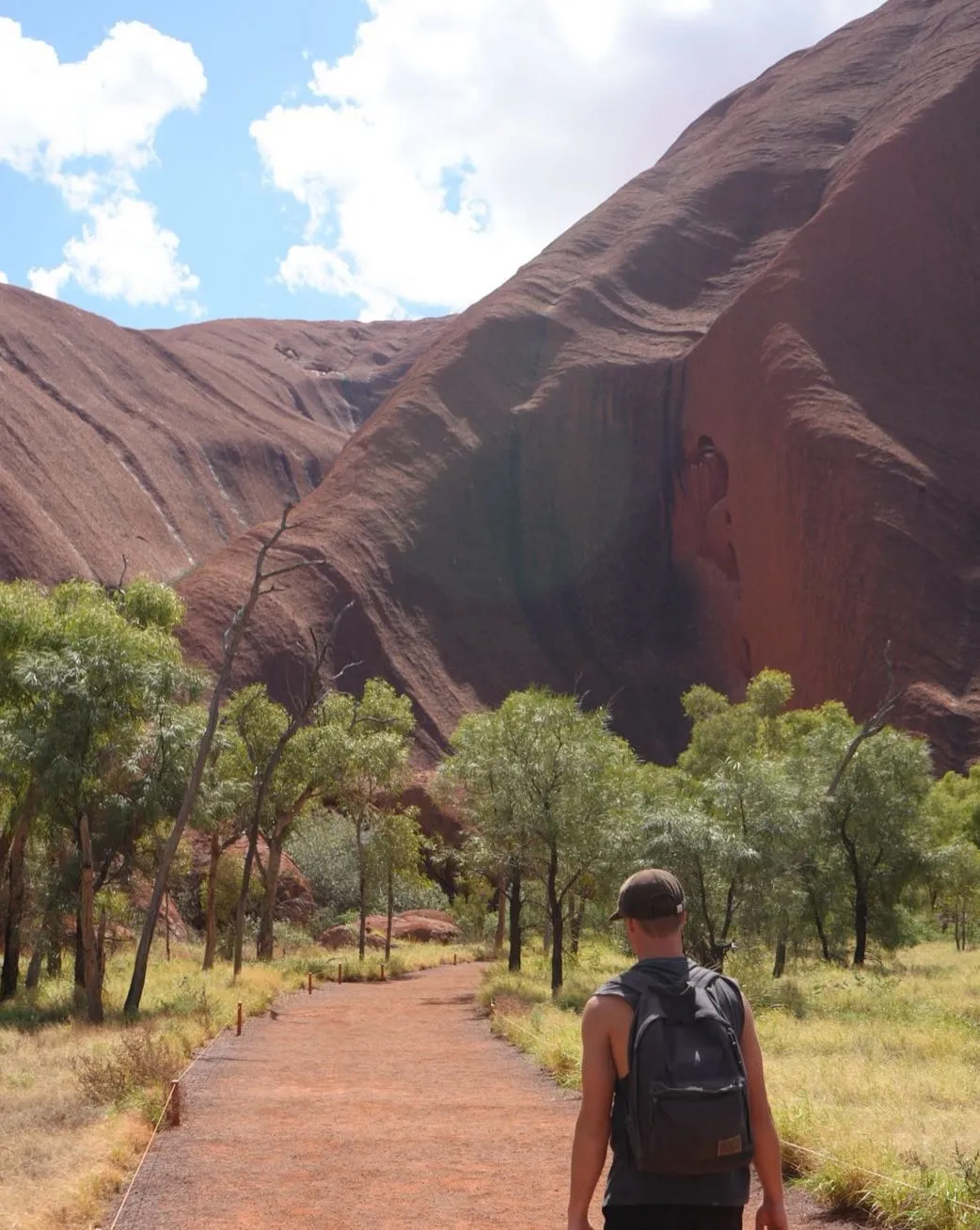
Summer can be extreme, often over 40°C. National parks like Uluru-Kata Tjuta close walking trails early and restrict access to certain areas. For those not used to these conditions, outdoor activities can be dangerous and uncomfortable. Even basic facilities like toilets and bathroom facilities become harder to use. Bring plenty of water and the right camping gear. Alternatively, consider air-conditioned cultural tours or helicopter flights over the stunning landscape.
Wet season (November to March)
The wet season brings unpredictable storms and sudden rain, sometimes closing roads and making unpowered sites and remote tracks inaccessible. Environmental reasons like flooding and storm damage mean some facilities, including camping sites, boardwalks or even toilet facilities, may be closed. The board of management at Uluru-Kata Tjuta National Park prioritises visitor safety and closures are common during severe weather. Spotting wildlife or visiting rock art sites may be limited at this time.
Peak periods, national parks demand and tourism
School holidays and public holidays
Peak times, like Australian school holidays, Easter and major public holidays, bring an influx of tourists. Accommodation and camping sites (powered and unpowered) book out quickly. Tour prices and facility prices go up. Tourist attitude changes as crowds grow and sometimes impact the peacefulness and the site’s specialness. If you want to go deeper or have plenty of activities without the crowds, avoid these busy times.
Australian icons nearby
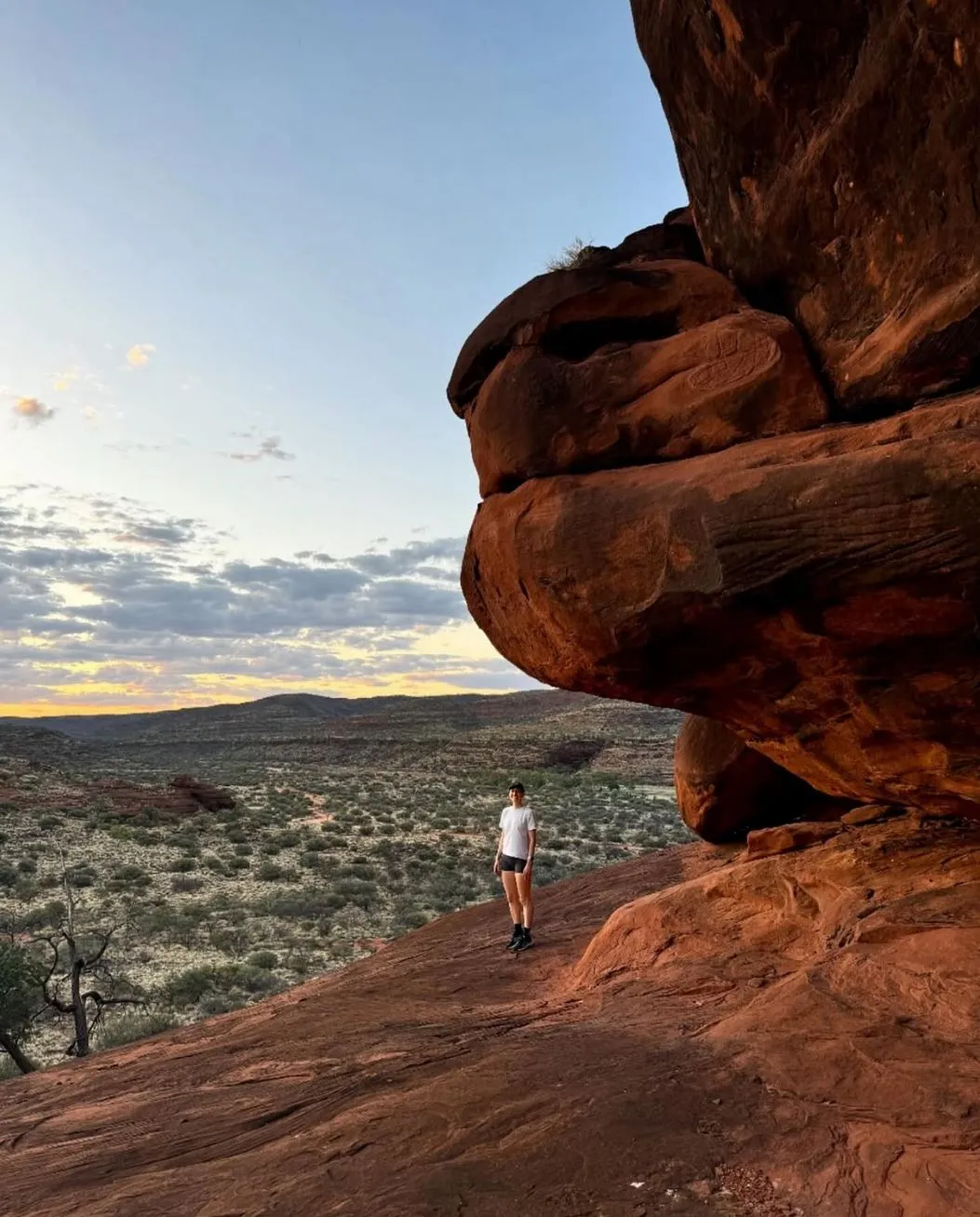
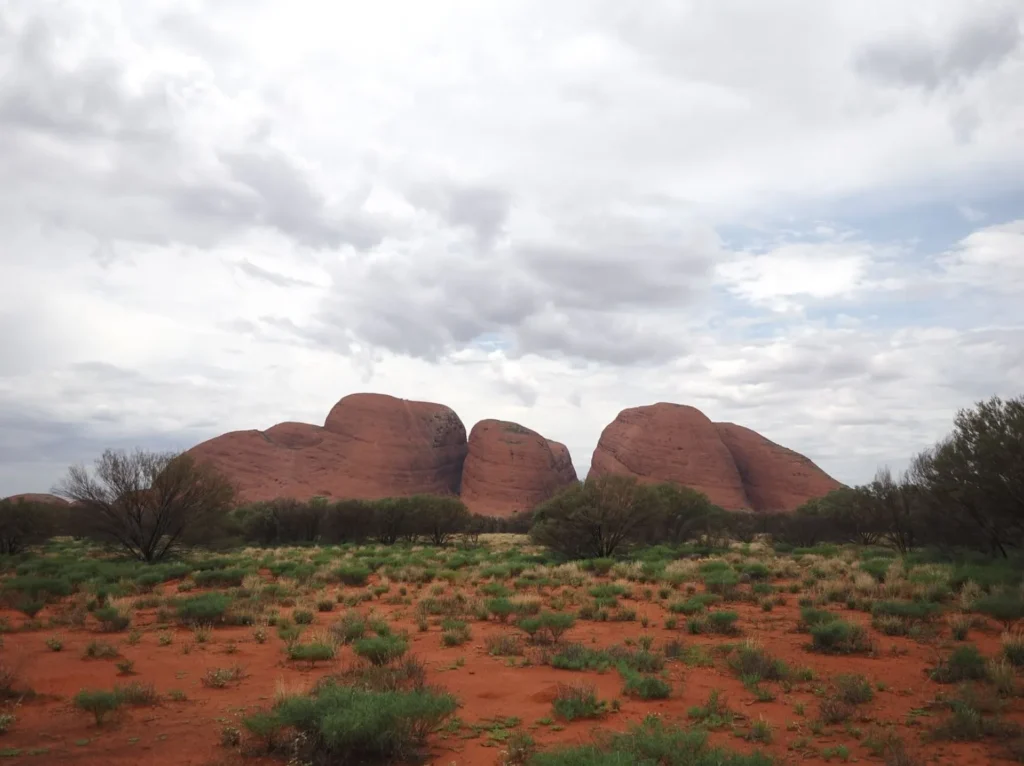
While Uluru is a must-see, there are other icons nearby worth considering – Kata Tjuta (The Olgas), Kings Canyon and Watarrka National Park. These natural wonders have cultural significance and opportunities for real experiences, often with fewer crowds. Join a guided tour, like those with Wildlife Tours, to experience all the activities across the region. Many travellers do a 4 day Uluru tour to make the most of their time and see Uluru, nearby natural wonders and ancient rock art sites with an expert.
Cultural and Spiritual Closures
Anangu Cultural Activities and Ceremonies

Uluru’s cultural significance is at the heart of what makes it a sacred site. It’s part of the Anangu creation story and a place for important cultural activities, ceremonies and gatherings. At times the national park or specific cultural sites may be closed to non-Indigenous visitors for cultural reasons – to protect physical evidence, ancient significance and spiritual traditions. Always respect these closures to support Aboriginal heritage.
Cultural Sites, Indigenous Artists and Authentic Experiences
The chance to join a cultural tour, learn from an Indigenous artist or see ancient rock art is one of the best parts of visiting Uluru. These activities give you a deeper understanding of the site’s special meaning but are subject to local events, weather or decisions by the board of management. Be informed and plan alternative experiences to have a successful visit.
Facilities, Camping and Activities
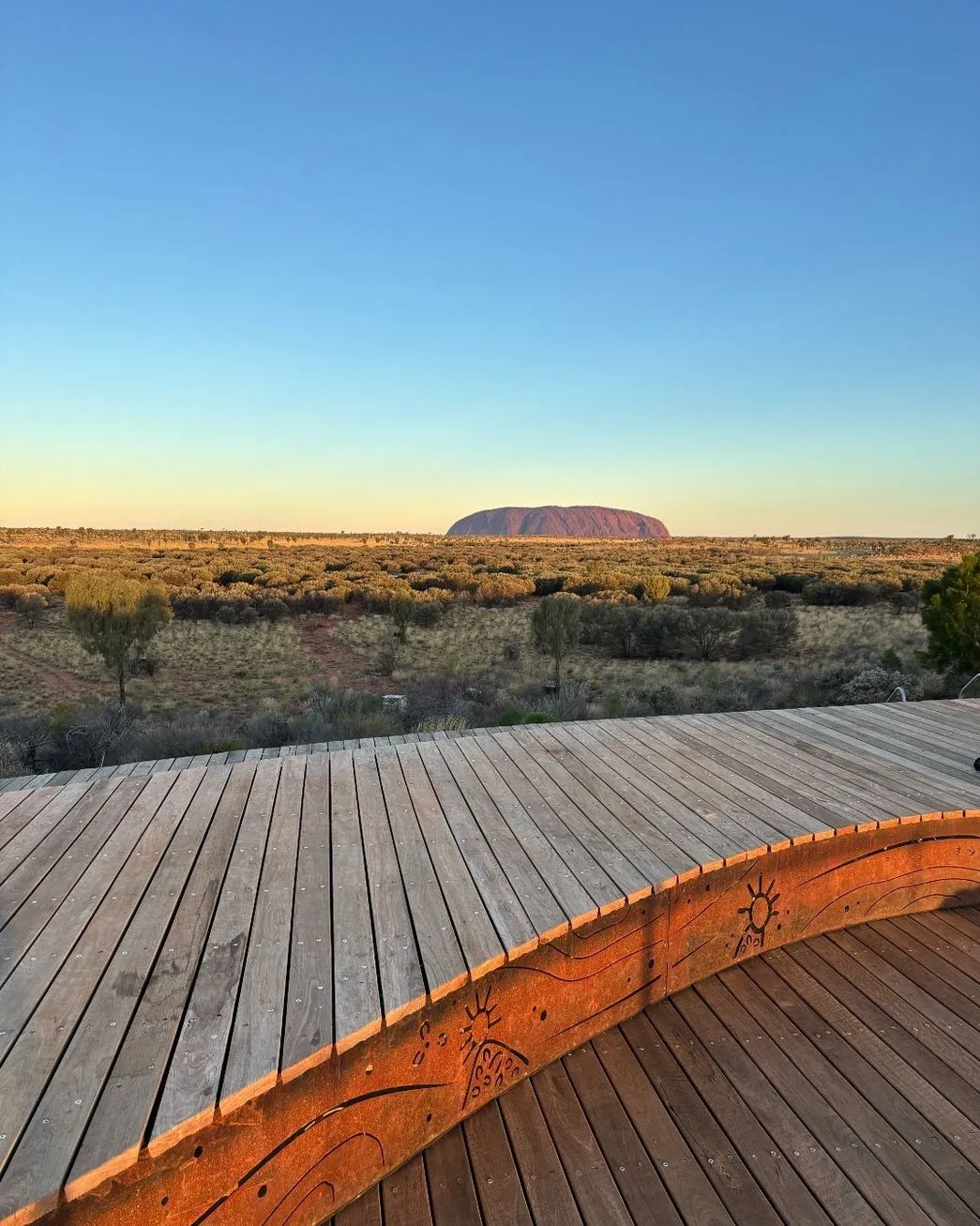
Uluru-Kata Tjuta National Park has a range of facilities including modern bathroom facilities, well-maintained toilet facilities, camping equipment hire and information on powered and unpowered sites. There’s plenty to do: scenic walks, stargazing, guided cultural tours, viewing ancient rock art, helicopter flights or exploring the Australian outback. If some activities or sites are closed, look for other Australian icons or alternative experiences in the region for an adventure to remember. A 4-day Uluru tour covers the highlights so you can experience cultural significance, natural values and the landscape.
Respect the Board of Management
Uluru is co-managed by Parks Australia and the Traditional Owners. The board makes decisions about access, closures or new cultural initiatives of management to protect the natural values, safety and cultural landscape of this world-famous natural wonder. Respect for Indigenous people, cultural sites and national park rules is key to preserving the integrity and authenticity of Uluru for future generations.
Best Time for Real Experiences
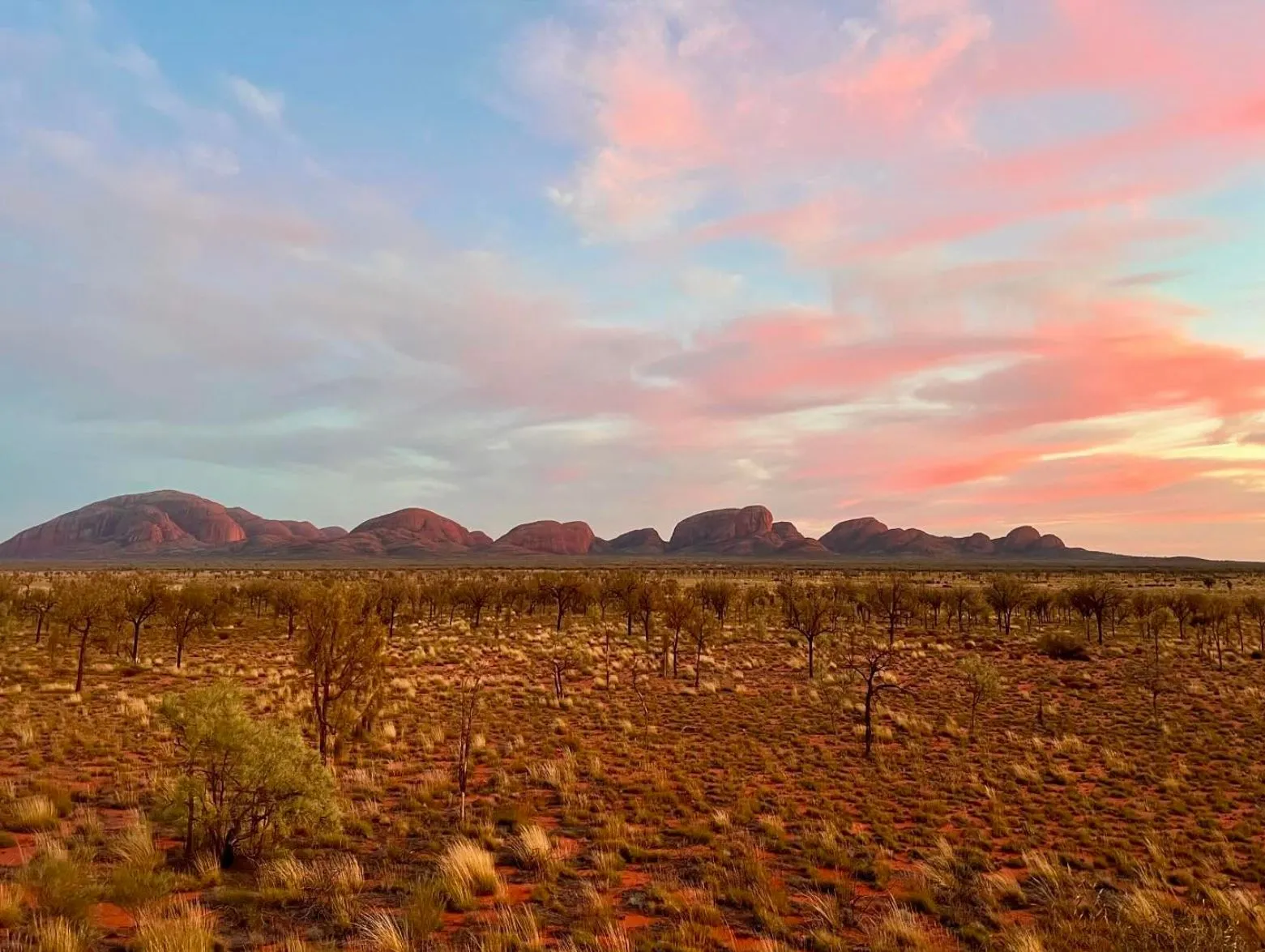
The shoulder seasons—April to May and August to October—are the best times to visit Uluru. Cooler temperatures, fewer people and more opportunities to experience the spiritual, natural and cultural aspects make these months perfect. You’ll have plenty of activities, see native wildlife and get a deeper understanding of what makes Uluru and the surrounding area so special in the context of Australian icons. If you can, a Uluru tour during these months is the way to go to experience it all at a relaxed pace.
Final Thoughts
Uluru’s sacred sites, ancient rock art and stunning landscape are a must-see for those who are true travel enthusiasts. Plan your travel dates respectfully and have a positive attitude towards cultural, environmental and safety reasons and you’ll have an unforgettable, real experience. Whether you’re into the cultural landscape, fascinated by Indigenous artists or just want to be in awe of the natural wonders of the Aussie outback, Uluru and the surrounding areas will leave you with a lasting impression.
FAQ
Are there times when Uluru is closed to tourists?
Uluru-Kata Tjuta National Park is open all year round but can close for cultural reasons, environmental reasons or safety reasons. Always check the board of management’s updates before finalising your travel dates.
Is it safe to visit Uluru in summer?
You can visit in summer but extreme heat and storms may limit activities, impact toilet facilities and make outdoor experiences uncomfortable. Plan accordingly and consider alternative experiences such as air-conditioned tours or helicopter flights during these months.
What are some real experiences at Uluru?
Join cultural tours, meet Indigenous artists, see ancient rock art, visit cultural sites and participate in activities that highlight the area’s significance. Respect all sacred sites and follow the board of management’s guidelines.
What facilities are available at Uluru?
Uluru has plenty of facilities including unpowered sites for camping, bathroom facilities, camping equipment hire and visitor amenities. Check in advance as some areas may be closed temporarily for maintenance or safety.
When is the best time to experience Uluru’s natural and cultural wonders?
The shoulder seasons (April–May, August–October) are the best time to see the landscape, native wildlife and cultural activities with fewer people and cooler weather.
How do tourists’ attitudes affect Uluru?
Plan with a positive attitude towards the site’s cultural significance, Indigenous people and natural values and Uluru’s real experiences will be here for future generations.
What else is near Uluru?
Kata Tjuta (The Olgas), Kings Canyon and Watarrka National Park are nearby and offer stunning landscapes, natural wonders and plenty of activities. Tour with Wildlife Tours and you can visit these amazing places and have many real experiences in the area.